How to Read Skincare Labels Like a Pro
It usually happens in a store aisle.
You turn a bottle around.
Scan the back label.
And within seconds, it feels overwhelming.
Long ingredient lists.
Words you can’t pronounce.
Claims that sound reassuring — but vague.
So you trust the front label instead.
Or the hype.
Or the price.
But skincare labels are quietly telling you everything —
if you know how to read them.
 Why Ingredient Lists Matter More Than Claims
“Natural.”
“Dermatologist approved.”
“Clean.”
“Gentle.”
These words aren’t regulated the way we think they are.
What truly defines a product isn’t the promise on the front —
it’s the ingredients on the back.
Skincare labels are written in order of concentration.
What appears first makes up most of the formula.
What appears last exists in very small amounts.
Learning this one rule already puts you ahead.
Start With the First Five Ingredients
If you only read part of a label, read the first five ingredients.
They tell you:
• What the product is primarily made of
• How it will likely feel on your skin
• Whether it focuses on hydration, cleansing, or treatment
If alcohol or harsh surfactants appear too early,
sensitive or acne-prone skin may struggle — even if the product claims to be gentle.
Skin responds to formulation, not marketing.
Don’t Be Afraid of Long Names
Ingredients often look intimidating — but long doesn’t always mean harmful.
Many plant-derived and skin-identical ingredients sound complex because they follow scientific naming systems.
What matters more is function, not pronunciation.
Ask:
• Is this ingredient hydrating, soothing, or strengthening?
• Is it known to irritate sensitive skin?
• Does it support the skin barrier?
Curiosity beats fear when reading labels.
Watch for Ingredient “Clusters”
Some ingredients work best together —
others are signs of overly aggressive formulas.
For example:
• Multiple exfoliating acids in one product
• Several fragrance components grouped together
• Strong actives stacked without soothing agents
These combinations can stress the skin barrier,
especially with daily use.
Balanced formulas often include calming or nourishing ingredients alongside actives — a sign the brand understands skin health, not just results.
Fragrance, Preservatives & Sensitivity
Fragrance isn’t automatically bad —
but it’s one of the most common causes of irritation.
If your skin is sensitive, reactive, or acne-prone:
• Look for minimal or naturally derived fragrance
• Avoid heavy fragrance blends high on the list
Preservatives, on the other hand, are necessary.
A product without them wouldn’t be safe to use.
The goal isn’t “preservative-free.”
It’s well-preserved and well-balanced.
Why Skin Barrier-Friendly Labels Feel Different
Products that support the skin barrier tend to feel familiar on the skin.
They don’t sting.
They don’t overwhelm.
They don’t demand recovery afterward.
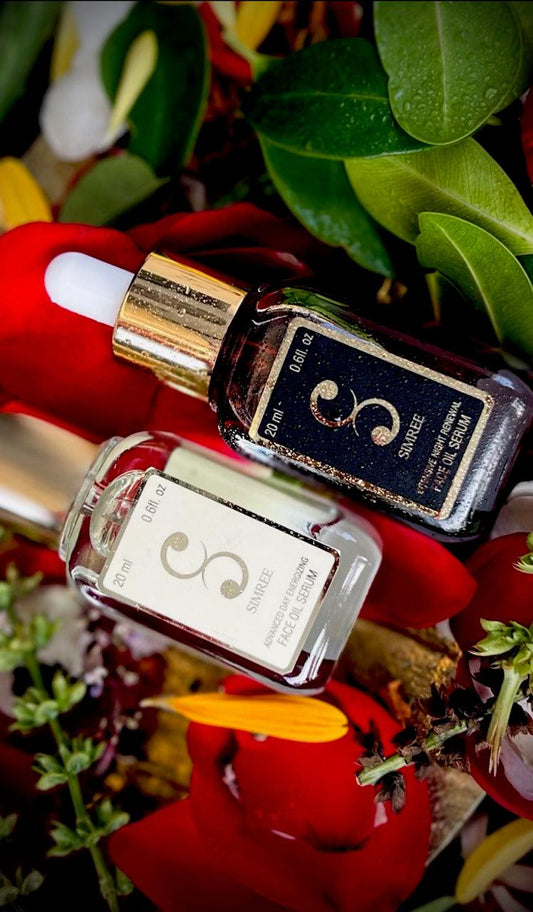
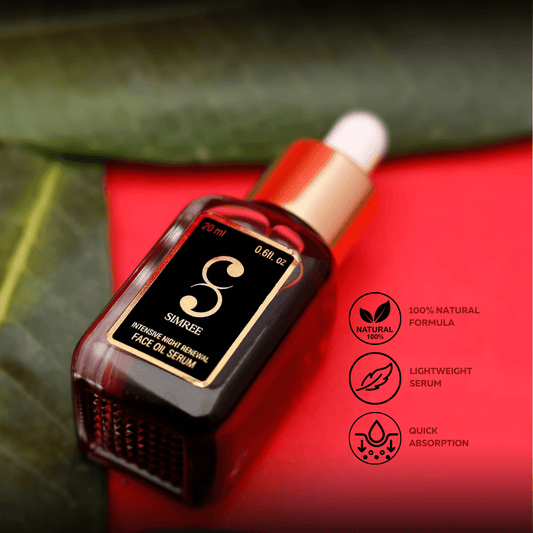
At Simree, this belief shapes every formulation —
ingredients chosen to work with skin, not against it.
When you start reading labels through the lens of skin comfort, your choices naturally become simpler.
The Pro Mindset: Fewer Questions, Better Skin
Professionals don’t memorise ingredient lists.
They understand patterns.
They look for:
• Gentle bases
• Purposeful actives
• Supporting ingredients that prevent irritation
Once you learn to spot these,
skincare shopping becomes calmer — not confusing.
And your routine becomes more intentional.
Reading Labels Is an Act of Care
Understanding skincare labels isn’t about becoming an expert overnight.
It’s about slowing down.
Asking better questions.
And choosing products that respect your skin’s limits.
When you read labels with clarity,
your skin feels the difference.
Because informed care is always gentler care.
—
Simree Cosmetics
Thoughtful formulations for skin that values honesty.