Saffron in Food vs Saffron on Skin — The Science Behind the Golden Spice
Share
Saffron in Food vs Saffron on Skin: What Actually Works for Glowing Skin? (Science-Backed Guide)
Introduction
Saffron is everywhere.
In milk.
In desserts.
In skincare.
It’s called the “golden spice.”
Associated with glow, luxury, and tradition.
But here’s the question most people never stop to ask:
👉 Does saffron work better when you eat it—or when you apply it on your skin?
Because if you’re using it wrong, you’re wasting time.
This guide breaks it down clearly:
-
The real science behind saffron (kesar)
-
What happens when you consume it
-
What changes when you apply it topically
-
And how to actually use it for visible skin results
Why Saffron Has Always Been Used for Skin
Long before serums and actives existed, saffron was already part of skincare.
It wasn’t marketed.
It wasn’t branded.
It was simply used.
-
Mixed with milk
-
Applied as a paste
-
Used consistently—not occasionally
Your nani didn’t call it “antioxidant-rich.”
She just knew it worked.
Modern science later explained why.
What Makes Saffron Effective? (The Science, Simplified)
Saffron contains powerful bioactive compounds that directly influence skin health:
🌿 Crocin
-
Helps reduce pigmentation
-
Improves overall skin brightness
-
Supports even skin tone
🌿 Safranal
-
Strong antioxidant
-
Protects skin from environmental damage
-
Helps prevent dullness
🌿 Kaempferol
-
Supports skin repair
-
Reduces inflammation
-
Promotes healthier skin function
👉 These are not surface-level effects.
They influence how your skin:
-
Responds to damage
-
Repairs itself
-
Maintains clarity and tone
Saffron in Food: What It Actually Does
When you consume saffron, it works internally.
Benefits of Eating Saffron
-
Reduces oxidative stress
-
Supports blood circulation
-
Helps with inflammation
-
Contributes to overall skin health
But Here’s the Limitation
This is where most people misunderstand.
👉 Saffron consumed through food does NOT directly target your skin.
Once digested:
-
Nutrients are distributed across the body
-
Skin receives only a fraction
Result:
-
Slow improvement
-
Indirect impact
-
Whole-body benefit (not skin-specific)
👉 It supports your skin—but it doesn’t focus on it.
Saffron on Skin: What Changes
When applied topically, saffron works very differently.
Benefits of Applying Saffron on Skin
-
Targets pigmentation directly
-
Improves uneven skin tone
-
Supports faster visible repair
-
Enhances natural glow
Why It Works Faster
Because:
-
No digestion loss
-
Direct absorption into skin
-
Localized action
👉 This is targeted skincare—not general support.
Saffron in Food vs Saffron on Skin (Clear Comparison)
Let’s simplify this completely.
| Factor | Saffron in Food | Saffron on Skin |
|---|---|---|
| Action | Internal | External |
| Speed | Slow | Faster |
| Targeting | Whole body | Skin-specific |
| Results | Gradual | Visible over time |
| Purpose | Support | Correction + enhancement |
👉 They are not competing.
They serve different roles.
So Which One Works Better for Glowing Skin?
Wrong question.
The real question is:
👉 How do you use both together effectively?
Because:
-
Food supports your skin from within
-
Skincare targets it from outside
When both align:
-
Skin improves faster
-
Results are more stable
-
Glow looks natural—not temporary
Why Most People Don’t See Results from Saffron
Let’s be honest.
The problem is not saffron.
It’s how people use it.
Common Mistakes:
-
Using it once a week
-
Using too little quantity
-
Expecting instant results
-
Being inconsistent
👉 Saffron is not a “quick fix” ingredient.
It works like most effective things:
Slow. Consistent. Reliable.
The Problem With “Saffron-Based” Products
This needs to be said clearly.
Not every product with saffron actually works.
Common Issues:
-
Extremely low saffron concentration
-
Used only for fragrance or color
-
No supporting active ingredients
👉 You see the ingredient name.
But not the result.
What to Look for in Saffron Skincare
If you’re serious about results, check this:
✔ Real Saffron Extract
Not artificial fragrance or color
✔ Functional Formulation
Combined with ingredients like:
-
Niacinamide
-
Hydrating agents
-
Barrier-supporting actives
✔ Proper Delivery System
So the ingredient actually penetrates the skin
👉 Saffron alone is powerful.
But formulation determines effectiveness.
Where Saffron Works Best in a Skincare Routine
Saffron is most effective when used in:
🌙 Serums
🌙 Night treatments
Why Night?
-
Skin repair is highest
-
Absorption improves
-
Consistency is easier
👉 This is where real transformation happens.
The Nani Method vs Modern Skincare
Let’s compare honestly.
Traditional Method:
-
Raw saffron
-
Mixed with milk or oil
-
Simple, natural
✔ It worked
✖ But not standardized
Modern Formulation:
-
Controlled concentration
-
Better absorption
-
Combined actives
✔ More consistent results
✔ More effective targeting
👉 It’s not about replacing tradition.
It’s about refining it.
A Smarter Way to Use Saffron
Stop choosing one.
Use both strategically.
Internally:
-
Add saffron to milk occasionally
-
Use consistently (not randomly)
Externally:
-
Use a well-formulated saffron serum
-
Apply regularly (especially at night)
👉 Consistency + targeting = visible results
What Results Should You Expect?
Let’s set this straight.
Saffron does NOT give:
-
Instant fairness
-
Overnight glow
What it actually does:
-
Improves skin tone gradually
-
Reduces pigmentation over time
-
Enhances natural radiance
-
Makes skin look healthier
👉 Not dramatic.
But real—and lasting.
Why Saffron Still Matters Today
Because very few ingredients have:
-
Survived generations
-
Been used traditionally
-
And still backed by modern science
👉 Saffron is not a trend.
It’s a proven ingredient that adapted with time.
Final Thought
Saffron is more than an ingredient.
It’s a bridge between:
-
Tradition and science
-
Food and skincare
-
Internal and external care
If you use it correctly, it doesn’t just improve your skin.
It builds it.
FAQs
1. Is eating saffron good for skin glow?
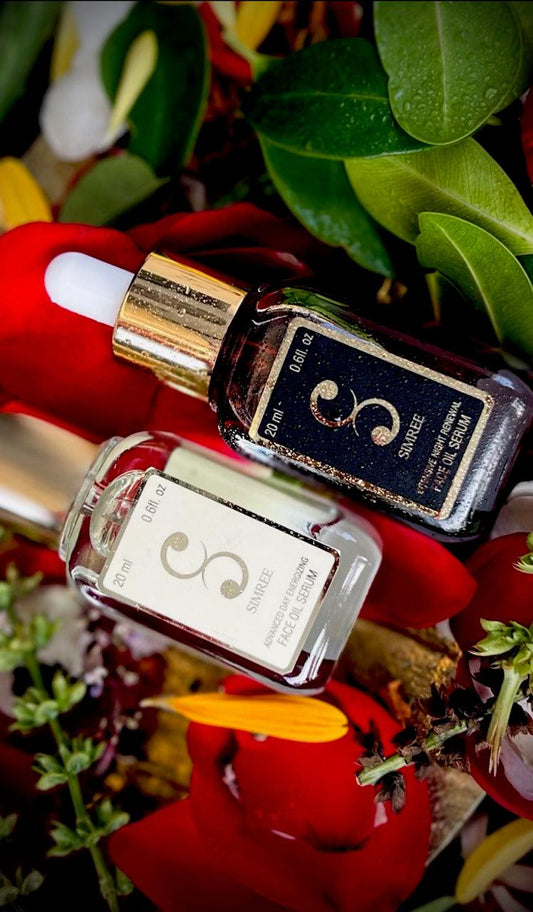
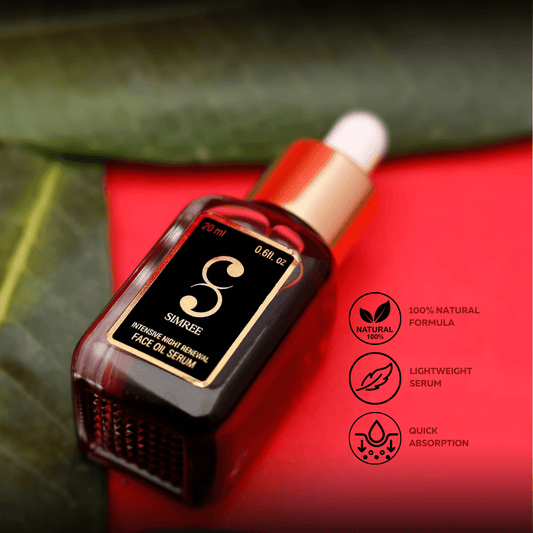
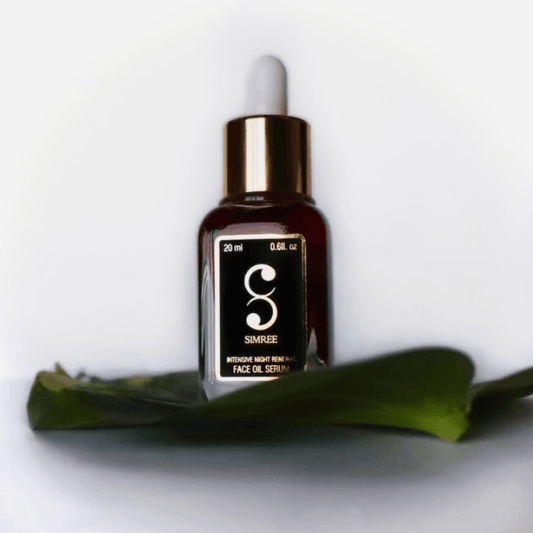
Yes, but results are slow and indirect. If you use best night saffron oil based serum it directly targets skin problems like hyperpigmentation, Dark Circles, Dark Spots, Hyper Dryness, Wrinkles & Fine Lines. If you looking for the best night serum. ( intensive Night Renewal Face oil Serum| Saffron & Natural Retinol | Anti- pigmentation &Anti-Ageing )
2. Does applying saffron on skin work faster?
Yes, because it targets the skin problems directly. but choose the right one for your skin and also read ingredients of the product. Like your product must have saffron, Sandalwood, Vitamin E, Potential Herbal Blend . If you lookin for the Anti - pigmentation & Anti- Ageing so, these are ingredients your product must have . The best night serum for Indian skin
3. Can I use saffron daily?
Topically—yes (in formulated products). Like night face oil serum that has saffron and more herbal Blend.
In food—moderation is key.
4. Is raw saffron better than skincare products?
Not necessarily. Formulated products are more consistent and effective. Like a oil based Serum that saffron along with Sandalwood, Vitamin E, and Potential Herbal Blend.
5. How long does saffron take to show results?
Typically a few weeks with consistent use in Night.