Bakuchi vs retinol: is this 3,000-year-old Ayurvedic seed better for Indian skin?
Share
Bakuchi vs Retinol: Is This 3,000-Year-Old Ayurvedic Seed Better for Indian Skin?
Retinol is everywhere.
Dermatologists recommend it.
Brands build entire product lines around it.
It is called the gold standard of anti-ageing.
And yet — so many people quietly stop using it.
Because of:
- Irritation
- Peeling
- Redness
- Sensitivity to sunlight
So here is the question more people are starting to ask:
Is there something gentler — that still works?
What Is Retinol — And Why Is It So Popular?
Retinol is a derivative of Vitamin A.
It works by:
- Increasing cell turnover
- Boosting collagen production
- Reducing fine lines and wrinkles
- Improving skin texture
That is why it is recommended for:
- Anti-ageing
- Acne
- Pigmentation
From a results perspective, retinol works.
But results are only part of the story.
The Reality of Retinol (That Most People Experience)
Retinol is effective.
But it is also aggressive.
Especially for Indian skin, which is often more prone to:
- Sensitivity
- Pigmentation
- Barrier damage
Common side effects include:
- Dryness
- Flaking
- Burning sensation
- Increased sun sensitivity
Which leads many people to use it incorrectly. Or stop altogether.
And then blame their skin.
Not the ingredient.
What Is Bakuchi?
Bakuchi (also known as Babchi) is a seed used in Ayurvedic medicine for over 3,000 years.
Your nani may not have called it “bakuchiol.”
She simply knew it worked.
Traditionally, it was used for:
- Skin healing
- Treating pigmentation
- Improving overall skin clarity
Modern science has now identified its active compounds — including psoralen — which support skin renewal and repair.
Which brings us to the comparison everyone is making today:
Bakuchi vs Retinol.
Bakuchi vs Retinol: What’s the Difference?
Let’s be clear. These are not identical ingredients.
But they aim to solve similar problems.
1. Skin Renewal
- Retinol: Speeds up cell turnover aggressively
- Bakuchi: Encourages gradual, balanced renewal
Result:
Retinol works fast. Bakuchi works steadily.
2. Irritation Level
- Retinol: High chance of irritation, especially for beginners
- Bakuchi: Significantly gentler on the skin
Result:
Bakuchi is better suited for sensitive and reactive skin.
3. Sun Sensitivity
- Retinol: Makes skin more sensitive to UV exposure
- Bakuchi: Does not increase sun sensitivity in the same way
Result:
Bakuchi fits more easily into everyday routines.
4. Suitability for Indian Skin
Indian skin often deals with:
- Hyperpigmentation
- Uneven tone
- Environmental stress
- Retinol can sometimes worsen pigmentation if misused
- Bakuchi works with the skin — not against it
Result:
Bakuchi aligns more naturally with Indian skin needs.
Why Bakuchi Is Gaining Attention Now
For years, traditional ingredients were dismissed as “home remedies.”
Now, science is catching up.
Research shows that bakuchiol (derived from bakuchi) can:
- Improve fine lines and wrinkles
- Boost collagen production
- Enhance skin elasticity
Without the irritation associated with retinol.
This is not a trend.
It is rediscovery.
Nani Knew Before Clinical Trials Existed
Your grandmother did not need dermatology journals.
She used:
- Haldi for healing
- Neem for acne
- Bakuchi for skin renewal
Not because it was fashionable.
Because it worked.
Modern science is now validating what was always known.
That some of the most effective ingredients are also the most natural.
So, Is Bakuchi Better Than Retinol?
The better question is:
What does your skin actually need?
If your skin tolerates retinol well, it can deliver results.
But if your skin:
- Feels irritated easily
- Reacts to strong actives
- Needs repair, not stress
Then bakuchi is not just an alternative.
It is a better fit.
What We Choose at Simree — And Why
At Simree, we do not choose ingredients based on trends.
We choose them based on:
- Effectiveness
- Tolerance
- Alignment with our values
That is why we use bakuchi extract in our formulations.
Because it delivers real results — without compromising your skin barrier.
If you are looking for a gentle yet effective night treatment, explore:
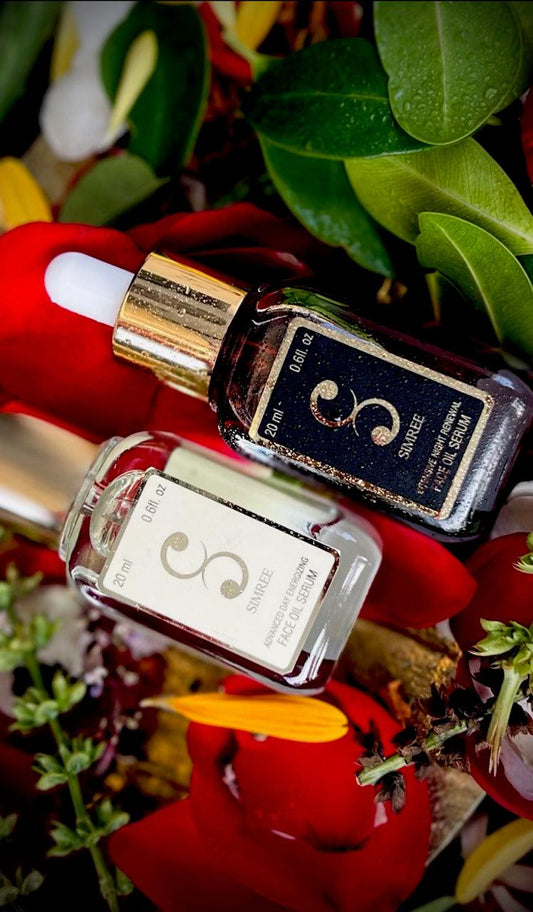
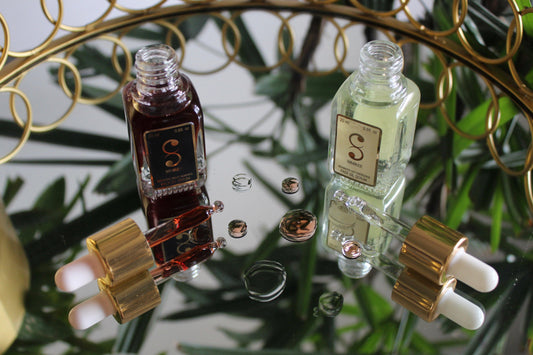
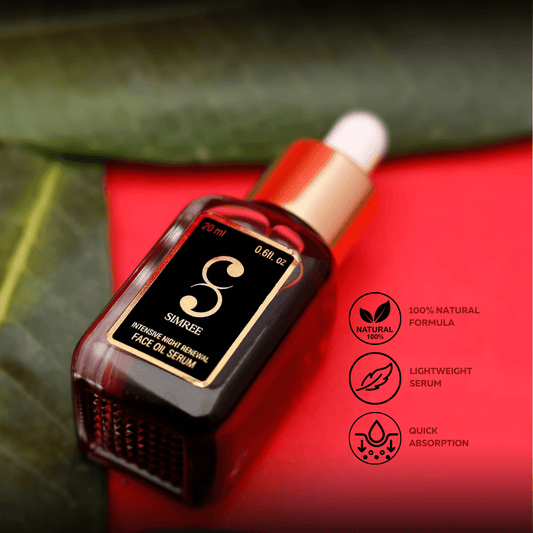
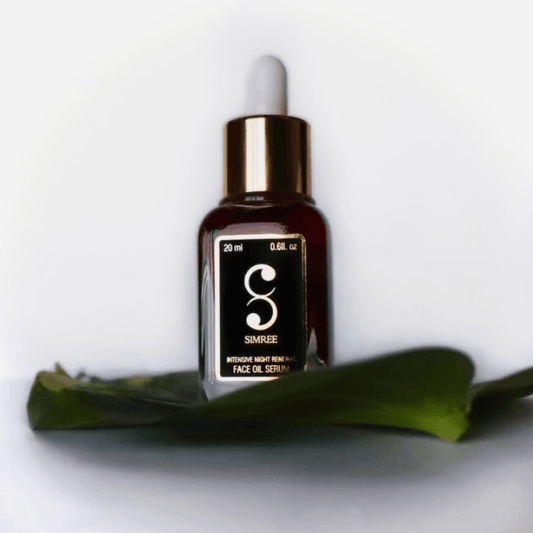
- The Bakuchi Night Renewal Serum → supports skin renewal, reduces pigmentation, and improves texture without irritation
You can explore it here:
Bakuchi-Based Skincare by Simree
Every ingredient is explained. Nothing is hidden.
High-Intent Insight: Who Should Choose Bakuchi?
Bakuchi is ideal if you are searching for:
- Natural alternative to retinol in India
- Gentle anti-ageing skincare for sensitive skin
- Best ingredient for pigmentation without irritation
- Ayurvedic skincare for glowing skin
- Retinol-free skincare routine
Because it solves the same problems — differently.
And often, more sustainably.
What Most Blogs Won’t Tell You
This is not about choosing sides.
Retinol vs Bakuchi is not a competition.
It is about understanding your skin.
Because the strongest ingredient is not always the smartest choice.
Sometimes, the smarter choice is the one your skin can live with — every day.
A Shift Towards Smarter Skincare
The skincare industry is moving away from extremes.
From:
- Harsh treatments
- Quick fixes
- One-size-fits-all solutions
Towards:
- Balanced formulations
- Long-term skin health
- Ingredients that heal, not shock
Bakuchi represents that shift.
Before You Add Retinol to Your Routine
Pause.
Ask yourself:
- Do I need something strong — or something consistent?
- Do I want fast results — or stable, long-term improvement?
- Is my skin asking for treatment — or recovery?
Because your answer will guide your choice.
One Last Thought
Your nani did not damage her skin to fix it.
She worked with it.
She understood that healing takes time.
That consistency matters more than intensity.
Somewhere along the way, skincare forgot that.
We are simply bringing it back.