Gua Sha for Beginners — The Ancient Ritual That’s Taking Over Skincare
Gua Sha for beginners—learn how this ancient facial massage improves circulation, reduces puffiness, and supports glowing skin. Step-by-step guide for Indian skin.  It looks simple.
A smooth stone. A few strokes across the face.
But here’s what most people miss:
Gua Sha is not a trend.
It’s a technique.
And when done correctly, it changes how your skin behaves.
Not overnight.
But consistently.
What Is Gua Sha, Really?
Gua Sha comes from traditional Chinese medicine.
Originally used on the body to:
- Improve circulation
- Release tension
- Support healing
The facial version is gentler.
More refined.
More precise.
And its purpose is simple:
To move what is stagnant.
Because stagnant skin:
- Looks dull
- Holds fluid
- Ages faster
Why Your Skin Needs Movement
Most skincare focuses on what you apply.
Very little focuses on how your skin functions underneath.
Your face has:
- Muscles
- Lymphatic pathways
- Blood circulation
When these slow down:
- Puffiness increases
- Tension builds
- Skin looks tired
Gua Sha addresses this.
Not by adding something.
But by activating what’s already there.
What Gua Sha Actually Does
Let’s keep it clear.
1. Improves circulation
Brings oxygen and nutrients to the skin.
2. Supports lymphatic drainage
Reduces puffiness and fluid retention.
3. Relieves facial tension
Especially around jaw and forehead.
4. Enhances product absorption
Because blood flow increases.
5. Creates a natural lift (over time)
Not instant. But visible with consistency.

Why It’s Suddenly Everywhere
Because people are realising something:
Skincare is not just products.
It’s also technique.
You can have the best serum.
But if your skin is:
- Stressed
- Puffy
- Poorly circulated
It won’t respond fully.
Gua Sha fills that gap.
Gua Sha vs Face Massage — What’s the Difference?
Face massage uses hands.
Gua Sha uses a tool.
That changes things.
The tool allows:
- Better pressure control
- More precise movement
- Deeper lymphatic work
But the principle is the same:
Move gently. Move intentionally.
How to Use Gua Sha (Step-by-Step)
Keep this simple.
Step 1: Start with clean skin
Always.
Step 2: Apply a serum or facial oil
Never use Gua Sha on dry skin.
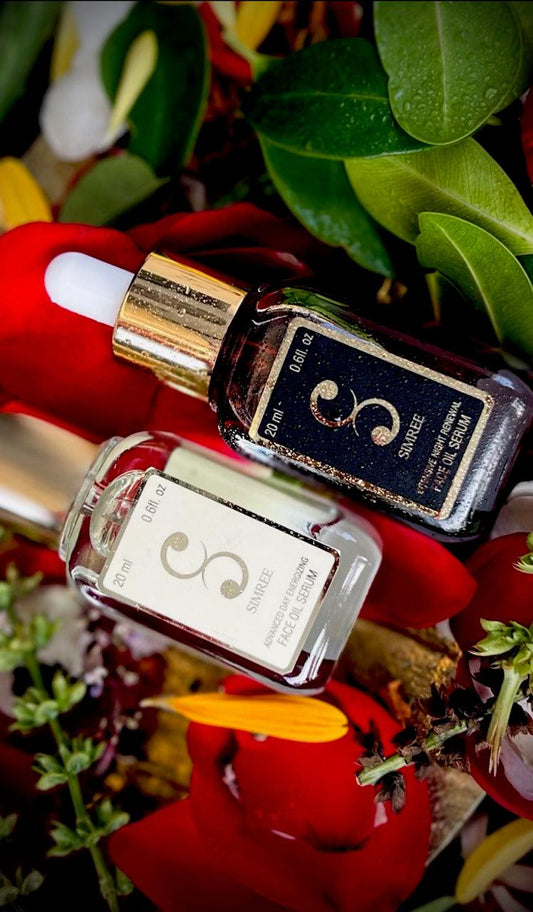
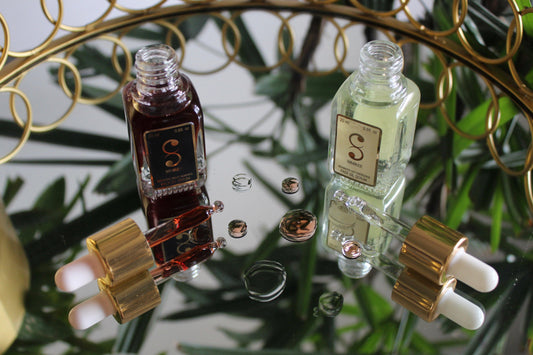
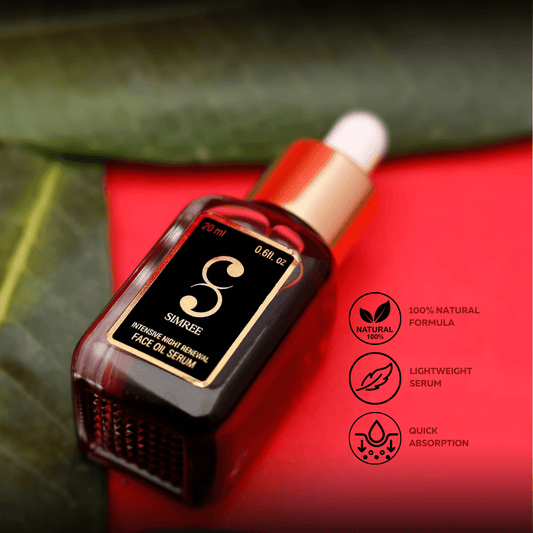
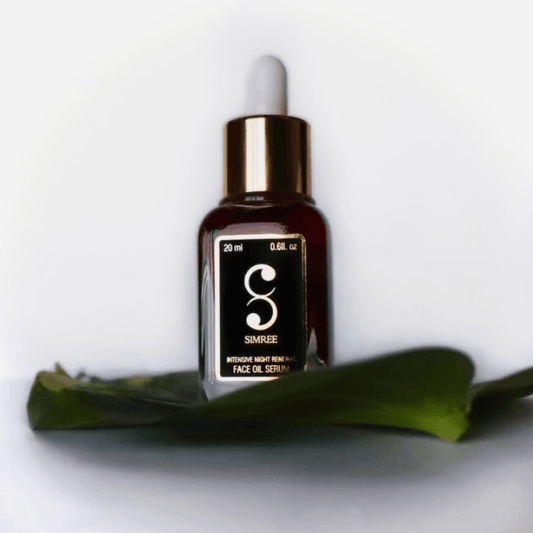
A lightweight, plant-based serum works well here —
something that allows smooth glide without heaviness.
Step 3: Hold the tool flat
Not angled sharply.
Step 4: Use gentle upward strokes
- Neck → upwards
- Jawline → towards ears
- Cheeks → outward
- Under eyes → very gently
- Forehead → upwards
Step 5: Repeat each stroke 5–10 times
No force.
No dragging.
What Most Beginners Do Wrong
They press too hard.
Gua Sha is not about force.
It’s about flow.
Too much pressure can:
- Irritate skin
- Cause redness
- Damage capillaries
Gentle pressure works better.
Always.
How Often Should You Do It?
3–5 times a week is enough.
Even 5 minutes makes a difference.
Consistency matters more than duration.
What Results Should You Expect?
Let’s be realistic.
Immediately:
- Reduced puffiness
- Slight glow
After 2–3 weeks:
- More defined facial contours
- Less tension
Long term:
- Healthier-looking skin
- Better product absorption
- Improved skin tone
Not dramatic.
But noticeable.
Where Products Fit Into This Ritual
Gua Sha works best when paired with the right texture.
Not thick creams.
Not sticky serums.
Something that:
- Glides easily
- Absorbs well
- Supports skin repair
This is where simple, ingredient-focused formulations work better.
For example:
A serum built with:
- Saffron (for repair)
- Niacinamide (for barrier support)
- Plant oils (for glide and hydration)
Supports both the massage and the skin.
Not as an extra step.
But as part of the same process.
The Nani Connection (In a Different Form)
Your nani may not have used a Gua Sha tool.
But she understood something similar.
Oil massage.
Gentle pressure.
Consistent care.
Different technique.
Same principle.
Movement + nourishment.
Modern tools just refine what already existed.
Who Should Use Gua Sha?
Almost everyone.
Especially if you:
- Wake up with puffiness
- Hold tension in your jaw
- Spend long hours on screens
- Want a non-invasive way to support your skin
It’s not a replacement for skincare.
It’s a support system.
Who Should Avoid It (Temporarily)
If you have:
- Active acne (inflamed)
- Skin infections
- Open wounds
Pause.
Let your skin heal first.
A Different Way to Think About Skincare
Most routines focus on:
- Adding more products
- Fixing visible issues
Gua Sha shifts the focus to:
How your skin functions.
Because healthy skin is not just treated.
It is supported.
Final Thought
You don’t need another product.
Sometimes, you need a better method.
Gua Sha is not complicated.
But it requires attention.
And consistency