Acne vs Hormonal Acne: What’s the Real Difference & Treatment (2026 Guide)
Share
Acne vs Hormonal Acne: What’s the Real Difference & Treatment (2026 Guide)
Introduction
Breakouts are frustrating. But what’s worse?
Not knowing why they’re happening.
You try everything—face washes, serums, DIY remedies—but the acne keeps coming back.
Here’s the truth:
👉 Not all acne is the same.
There’s a major difference between regular acne and hormonal acne, and if you’re treating them the same way, you’re wasting time—and damaging your skin.
In this guide, we’ll break down:
- Acne vs hormonal acne (clear difference)
- Causes and triggers
- Best treatment approaches
- What actually works for Indian skin
What Is Acne? (General Acne Explained)
Acne is a skin condition that happens when:
- Pores get clogged with oil and dead skin
- Bacteria build up
- Inflammation occurs
Common Causes of Acne:
- Excess oil production
- Poor skincare routine
- Dirt and pollution
- Diet and lifestyle
Types of Acne:
- Whiteheads
- Blackheads
- Pimples
- Cystic acne
👉 This type of acne is usually surface-level and easier to treat.
What Is Hormonal Acne?
Hormonal acne is deeper, more stubborn, and driven by internal hormonal fluctuations.
It’s triggered by:
- Androgen hormones (increase oil production)
- Menstrual cycle
- Stress
- PCOS or hormonal imbalance
Common Signs of Hormonal Acne:
- Breakouts around jawline, chin, cheeks
- Painful, deep cysts
- Recurring acne at the same time every month
👉 This is not just a skincare issue—it’s a body-level imbalance showing on your skin.
Acne vs Hormonal Acne — Key Differences
| Factor | Regular Acne | Hormonal Acne |
|---|---|---|
| Cause | External (oil, dirt) | Internal (hormones) |
| Location | T-zone (forehead, nose) | Jawline, chin |
| Type | Whiteheads, blackheads | Deep cysts |
| Frequency | Random | Cyclical |
| Treatment | Topical skincare | Internal + topical |
👉 If your acne keeps coming back in the same pattern—it’s likely hormonal.
Why Most Acne Treatments Fail
Let’s be blunt.
Most people:
- Use harsh products
- Over-exfoliate
- Ignore root cause
Result?
👉 Temporary results, long-term damage.
You don’t fix acne by attacking your skin.
You fix it by supporting it.
How to Treat Regular Acne Effectively
1. Gentle Cleansing
Avoid stripping your skin. Use mild cleansers.
2. Balanced Hydration
Skipping hydration increases oil production.
3. Use Non-Comedogenic Products
Prevent pore clogging.
4. Targeted Ingredients
- Tea tree
- Niacinamide
- Salicylic acid (in moderation)
How to Treat Hormonal Acne (The Right Way)
This is where most people go wrong.
1. Address Internal Triggers
- Manage stress
- Balance diet
- Improve sleep
2. Support Skin Barrier
Hormonal acne worsens with damaged skin.
3. Use Calming, Repair-Based Skincare
Avoid aggressive treatments.
4. Stay Consistent
Hormonal acne doesn’t disappear overnight.
Best Skincare Routine for Acne-Prone Skin (AM & PM)
Morning Routine:
- Gentle cleanser
- Hydrating mist or serum
- Lightweight face oil
- Sunscreen
Night Routine:
- Cleanse
- Apply face oil or serum
👉 Keep it simple. Overloading worsens acne.
Why Face Oils Can Help Acne (Yes, Really)
Most people think oils cause acne.
Wrong.
The right face oil:
- Balances oil production
- Reduces inflammation
- Strengthens skin barrier
Ingredients like:
- Blue tansy (anti-inflammatory)
- Squalene (lightweight hydration)
can actually improve acne-prone skin.
What to Avoid If You Have Acne
❌ Over-exfoliation
❌ Harsh scrubs
❌ Alcohol-based products
❌ Switching products too often
Natural vs Chemical Treatments — What Works Better?
Both have their place.
- Chemical treatments → fast but harsh
- Natural formulations → slower but sustainable
👉 The goal is balance, not extremes.
When Should You See a Dermatologist?
- Severe cystic acne
- Painful, persistent breakouts
- No improvement after 6–8 weeks
Recommended Approach for Indian Skin
Indian skin is:
- More prone to pigmentation
- More exposed to pollution
So your approach should focus on:
- Gentle care
- Barrier repair
- Lightweight hydration
Where Simree Fits In
Instead of using 5–6 products, use one that supports your skin properly.
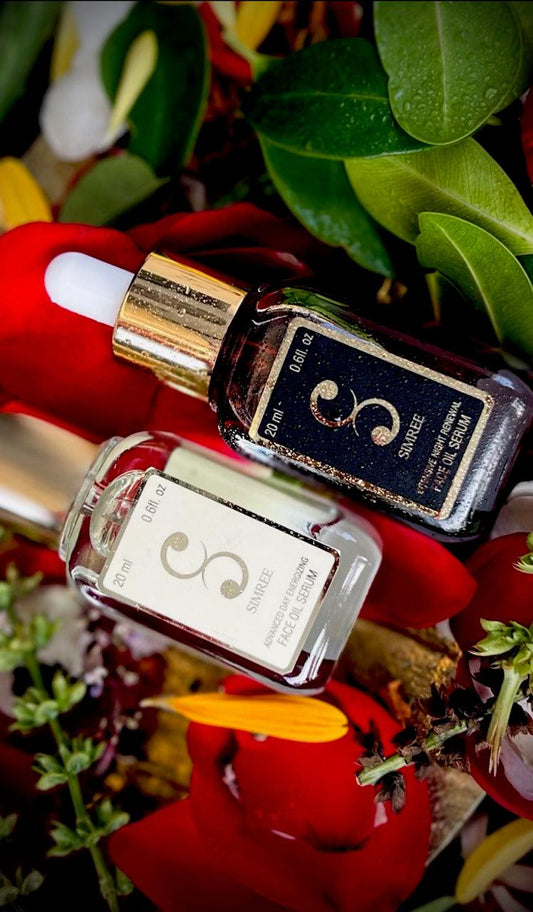
Simree’s Advanced Day Energizing Face Oil Serum helps:
- Calm inflammation
- Hydrate without clogging pores
- Improve overall skin balance
It fits perfectly into a minimal, acne-friendly routine.
FAQs
1. How do I know if my acne is hormonal?
If it appears around your jawline and repeats monthly, it’s likely hormonal.
2. Can hormonal acne be cured permanently?
It can be managed effectively, but requires consistency and lifestyle changes.
3. Is face oil safe for acne-prone skin?
Yes—if it’s lightweight and non-comedogenic.
4. How long does acne take to heal?
Mild acne: 2–4 weeks
Hormonal acne: 4–8 weeks or more
5. Can diet affect acne?
Yes. Sugar, dairy, and processed foods can trigger breakouts in some people.
Conclusion: Stop Guessing, Start Treating the Right Problem
If you treat hormonal acne like regular acne, you’ll stay stuck.
If you overload your skin, you’ll make it worse.
The real solution is simple:
👉 Understand your acne
👉 Use the right approach
👉 Stay consistent
Healthy skin isn’t about quick fixes.
It’s about doing the right things—consistently.